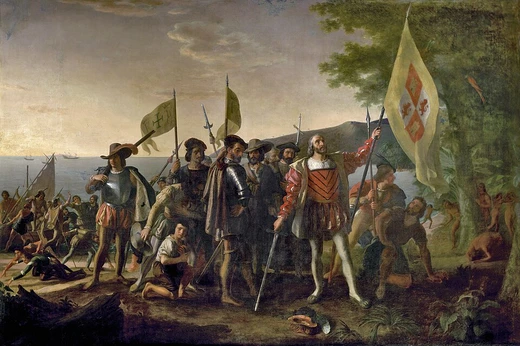
Rwandan Civil War

Rr016 · CC BY-SA 4.0
The Rwandan Civil War was a major conflict in Rwanda that lasted from October 1, 1990, to July 18, 1994. It pitted the Rwandan Armed Forces, which backed the ruling Third Rwandese Republic, against the rebel Rwandan Patriotic Front (RPF). The war was rooted in a long-standing conflict between the Hutu and Tutsi ethnic groups in Rwanda. The trouble traced back to the Rwandan Revolution of 1959, which toppled the Tutsi monarchy and set up a Hutu-led republic. This upheaval forced over 336,000 Tutsis to flee to neighboring countries. Among these refugees in Uganda, a group formed the RPF. Under the leadership of Fred Rwigyema and Paul Kagame, the group grew into a capable army by the late 1980s. The war kicked off on October 1, 1990, when the RPF invaded northeastern Rwanda, pushing 60 kilometers (37 miles) inside. But they took a heavy blow on the second day when Rwigyema was killed in combat. The Rwandan Army, backed by French troops, soon gained the upper hand, and the RPF was largely crushed by the end of October. Kagame, who had been in the United States during the invasion, returned to take charge. He pulled his forces back to the Virunga Mountains for several months before launching another attack. The RPF then shifted to an insurgency that lasted until mid-1992, with neither side able to break the stalemate. A wave of protests forced President Juvénal Habyarimana to start peace talks with the RPF and domestic opposition groups. Despite disruptions and killings by Hutu Power—a hardline faction opposed to any deal—and a fresh RPF offensive in early 1993, the negotiations succeeded. The Arusha Accords were signed in August 1993. An uneasy peace followed, with the accords slowly being put into effect. RPF troops moved into a compound in Kigali, and the United Nations sent a peacekeeping mission, UNAMIR. Meanwhile, the Hutu Power movement gained strength and plotted a "final solution" to wipe out the Tutsi. This plan was set in motion after President Habyarimana was assassinated on April 6, 1994. Over roughly one hundred days, between 500,000 and 1,000,000 Tutsi and moderate Hutu were killed in the Rwandan genocide. The RPF quickly resumed the civil war. They steadily captured territory, surrounding cities and cutting off supply routes. By mid-June, they had encircled Kigali, the capital, and seized it on July 4. The war ended later that month when the RPF took the last areas held by the interim government, forcing the government and the genocidaires to flee into Zaire. The victorious RPF took control of the country, with Paul Kagame as the de facto leader. He served as vice president from 1994 and became president in 2000. The RPF launched a program to rebuild Rwanda's infrastructure and economy, put genocide perpetrators on trial, and promote reconciliation between Hutu and Tutsi. In 1996, the RPF-led government attacked refugee camps in Zaire that housed exiled leaders of the former regime and millions of Hutu refugees. This action sparked the First Congo War, which toppled longtime dictator Mobutu Sese Seko. As of 2026, Kagame and the RPF remain the dominant political force in Rwanda. **Background**
**Pre-independence Rwanda and origins of Hutu, Tutsi, and Twa**
The first people to live in what is now Rwanda were the Twa, indigenous pygmy hunter-gatherers who settled there between 8000 BC and 3000 BC and still live in Rwanda today. Between 700 BC and 1500 AD, Bantu groups migrated into the region and started clearing forests for farming. The forest-dwelling Twa lost much of their land and moved to the mountain slopes. Historians have different ideas about these Bantu migrations. One theory says the first settlers were Hutu, and the Tutsi came later as a separate racial group, possibly from the Horn of Africa. Another theory holds that the migration was slow and steady, with newcomers blending into, rather than conquering, the existing society. In this view, the Hutu and Tutsi distinction emerged later as a class, not a racial, divide. The population first formed clans (ubwoko) and then, by 1700, about eight kingdoms. The Kingdom of Rwanda, ruled by the Tutsi Nyiginya clan, became dominant from the mid-18th century, expanding through conquest and assimilation. It reached its greatest size under King Kigeli Rwabugiri, who reigned from 1853 to 1895. Rwabugiri expanded the kingdom west and north and introduced administrative reforms that widened the gap between Hutu and Tutsi. These reforms included *uburetwa*, a forced labor system that Hutu had to perform to get back land taken from them, and *ubuhake*, where Tutsi patrons gave cattle to Hutu or Tutsi clients in exchange for economic and personal service. The Berlin Conference of 1884 assigned Rwanda and neighboring Burundi to Germany, and Germany established a presence in 1897 by forming an alliance with the king. German policy was to rule through the Rwandan monarchy, which allowed colonization with fewer European troops. The colonists favored Tutsi over Hutu for administrative roles, believing Tutsi were migrants from Ethiopia and racially superior. The Rwandan king welcomed the Germans and used their military power to strengthen his rule and expand the kingdom. During World War I, Belgian forces took control of Rwanda and Burundi in the Tabora and Mahenge offensives, and starting in 1926, they pursued more direct colonial rule. The Belgian administration, along with Catholic clergy, modernized the local economy but also raised taxes and imposed forced labor. Tutsi supremacy continued, backed by Belgian support for the two monarchies, leaving the Hutu without rights.
- key_commanders
- Fred Rwigyema, Paul Kagame (RPF)
Verified Timeline
Lore & Background
The RPF suffered a major setback when commander Fred Rwigyema was killed on the second day of the invasion. Paul Kagame, who had been in the United States during the invasion, returned to take command. He withdrew troops to the Virunga Mountains for several months before attacking again. The RPF began an insurgency, which continued until mid-1992 with neither side able to gain the upper hand. A series of protests forced Rwandan President Juvénal Habyarimana to begin peace negotiations with the RPF and domestic opposition parties. Despite disruption and killings by Hutu Power, a group of extremists opposed to any deal, and a fresh RPF offensive in early 1993, the negotiations were successfully concluded with the signing of the Arusha Accords in August 1993.
Reader's Guide
The war ended later that month when the RPF captured the last territory held by the interim government, forcing the government and genocidaires into Zaire. The victorious RPF assumed control of the country, with Paul Kagame as de facto leader. Kagame served as vice president from 1994 and as president from 2000. The RPF began a programme of rebuilding the infrastructure and economy of the country, bringing genocide perpetrators to trial, and promoting reconciliation between Hutu and Tutsi. In 1996 the RPF-led Rwandan government launched an offensive against refugee camps in Zaire, home to exiled leaders of the former regime and millions of Hutu refugees. This action started the First Congo War, which removed long-time dictator Mobutu Sese Seko from power. As of 2026, Kagame and the RPF remain the dominant political force in Rwanda.
Did You Know?
- The RPF invasion began on 1 October 1990, advancing 60 km (37 mi) into Rwanda on the first day.
- Founding leader Fred Rwigyema was killed in action on the second day of the invasion.
- Paul Kagame was in the United States when the invasion began and returned to take command afterward.
- The Arusha Accords were signed in August 1993, formally ending the active phase of the civil war.
- The RPF captured Kigali on 4 July 1994, and the war ended on 18 July 1994.
Roots in Exile: The Birth of the RPF
The Rwandan Revolution, which broke out in 1959, had replaced the Tutsi monarchy with a Hutu-led republic, forcing more than 336,000 Tutsis to seek refuge in neighbouring countries. A group of these refugees in Uganda founded the RPF which, under the leadership of Fred Rwigyema and Paul Kagame, became a battle-ready army by the late 1980s.
Four Years of Attrition: The Military Struggle
The war began on 1 October 1990, when the RPF invaded north-eastern Rwanda, advancing 60 km (37 mi) into the country. They suffered a major setback when Rwigyema was killed in action on the second day. The Rwandan Army, assisted by expeditionary troops from France, gained the upper hand and the RPF were largely defeated by the end of October. Kagame, who had been in the United States during the invasion, returned to take command. He withdrew troops to the Virunga Mountains for several months before attacking again. The RPF began an insurgency, which continued until mid-1992 with neither side able to gain the upper hand. A series of protests forced Rwandan President Juvénal Habyarimana to begin peace negotiations with the RPF and domestic opposition parties. Despite disruption and killings by Hutu Power, a group of extremists opposed to any deal, and a fresh RPF offensive in early 1993, the negotiations were successfully concluded with the signing of the Arusha Accords in August 1993.
The Shattering: Genocide and the RPF's Final March
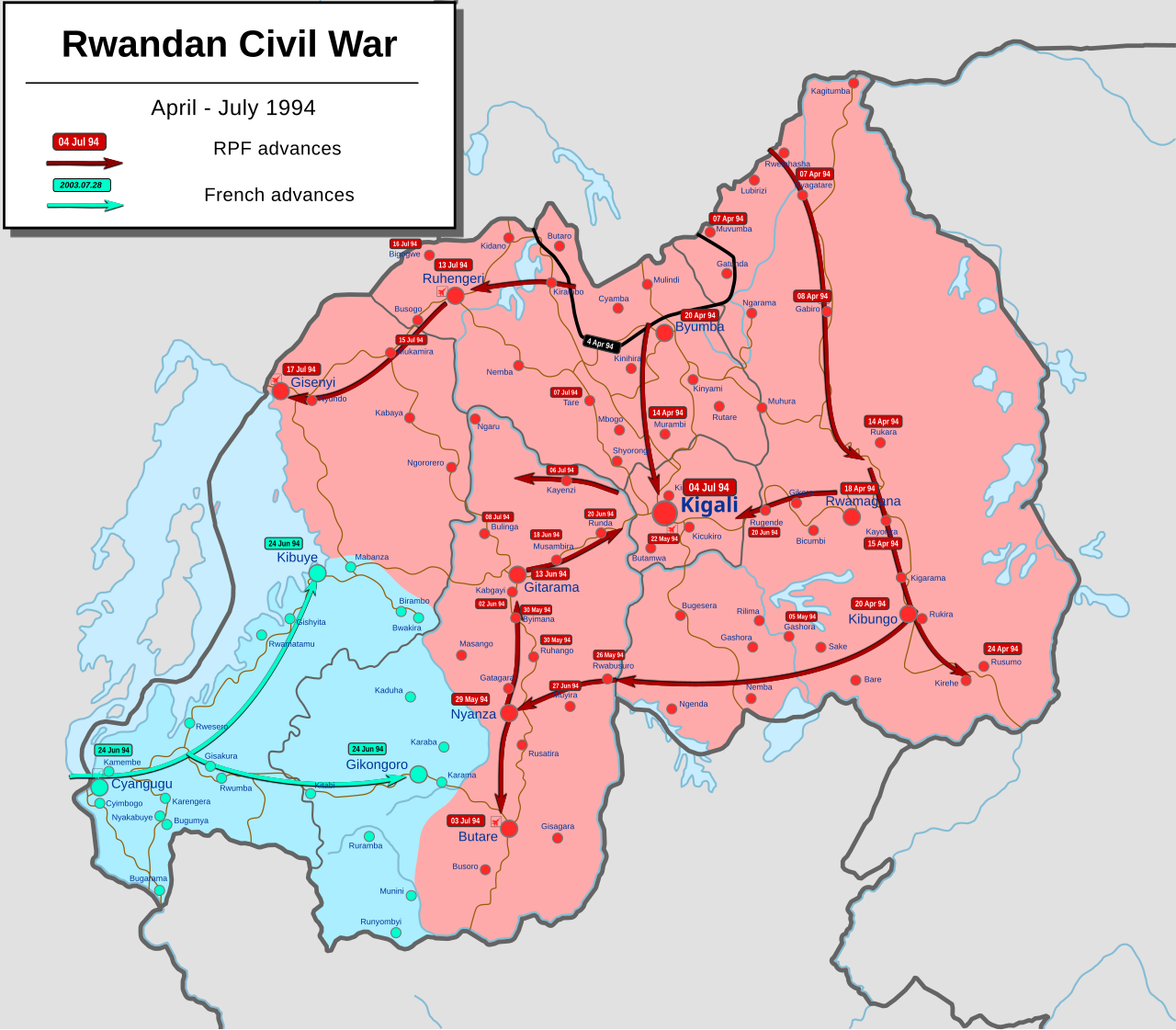
An uneasy peace followed, during which the terms of the accords were gradually implemented. RPF troops were deployed to a compound in Kigali and the peace-keeping United Nations Assistance Mission for Rwanda (UNAMIR) was sent to the country. The Hutu Power movement was steadily gaining influence and planned a 'final solution' to exterminate the Tutsi. This plan was put into action following the assassination of President Habyarimana on 6 April 1994. Over the course of about a hundred days, between 500,000 and 1,000,000 Tutsi and moderate Hutu were killed in the Rwandan genocide. The RPF quickly resumed the civil war. They captured territory steadily, encircling cities and cutting off supply routes. By mid-June they had surrounded the capital, Kigali, and on 4 July they seized it. The war ended later that month when the RPF captured the last territory held by the interim government, forcing the government and genocidaires into Zaire.
From Victory to Governance: The RPF's Enduring Legacy
The victorious RPF assumed control of the country, with Paul Kagame as de facto leader. Kagame served as vice president from 1994 and as president from 2000. The RPF began a programme of rebuilding the infrastructure and economy of the country, bringing genocide perpetrators to trial, and promoting reconciliation between Hutu and Tutsi. In 1996 the RPF-led Rwandan government launched an offensive against refugee camps in Zaire, home to exiled leaders of the former regime and millions of Hutu refugees. This action started the First Congo War, which removed long-time dictator Mobutu Sese Seko from power. As of 2026, Kagame and the RPF remain the dominant political force in Rwanda.
Gallery
Frequently Asked Questions
Who were the key commanders on each side?
Fred Rwigyema and Paul Kagame directed RPF military operations, while Colonel Théoneste Bagosora and General Augustin Bizimungu led the government's Rwandan Armed Forces. Their rival strategies defined the war's shifting front lines across Rwanda for nearly four years.
More in African Conflicts And Colonialism 1-17
Spotted an error? Know more?
This is a living reference — every entry is fact-audited, and reader corrections feed straight into our audit queue. Suggest an edit · See this site's audit record