Frequently Asked Questions
The most-asked questions about african-american superhero films.
What does "African-American superhero films" mean as a category?
It is a fan-used umbrella term for movies that center Black superheroes or place Black actors in lead superhero roles, drawing from Marvel, DC, and independent productions. It is not an official studio classification but a way the community groups films where Black protagonists drive the story.
Which Black superheroes are the most recognizable on the big screen?
Black Panther (T'Challa), Blade, and Sam Wilson/Falcon top most fan lists, while Storm, Cyborg, and Moon Knight also carry strong followings. The broader category includes characters like Luke Cage, Black Adam, and animated figures such as Static Shock.
What film should a newcomer watch first?
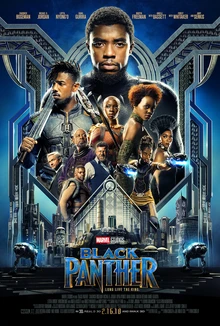
Black Panther (2018) is the most common recommendation because it delivers a complete world, a culturally rich protagonist, and a self-contained narrative in one sitting. For viewers who prefer a darker, standalone tone, the 1998 Blade is a classic alternative entry point.
Who are the key creative figures associated with these films?
Ryan Coogler helmed Black Panther, and comic writer Ta-Nehisi Coates shaped the character's modern mythology; Jordan Peele has been linked to the space as a producer. On the DC side, Black Adam's screen adaptation drew on decades of work by various writers and artists before reaching the stage.
Why is Black Panther considered a cultural milestone?
It became the first superhero movie to cross the one-billion-dollar global mark and the first to earn a Best Original Score Oscar nomination. Its commercial run also proved there was massive worldwide appetite for a story led entirely by a Black protagonist.
How does this grouping differ from the wider superhero genre?
Mainstream superhero films have historically centered white characters, whereas this category highlights works in which Black identity, history, and perspective are the narrative engine rather than a supporting element. It also sweeps in animated series and independent projects that fall outside the two major studio franchises.
Are there notable entries outside the Marvel and DC banners?
Blade, though a Marvel IP, was produced by New Line Cinema and leaned heavily into horror, giving it a distinct identity. Animated properties like Static Shock and various independent short films also expand the space, though they tend to receive less mainstream coverage.
What moments are most frequently cited by fans as iconic?
The "Wakanda Forever" chant and the opening sequence of Black Panther are routinely called out as genre-defining set pieces. Blade's 1998 debut also holds a nostalgic place for many as one of the earliest examples of a Black-led action franchise in theaters.
How has on-screen representation shifted over the years?
Early entries like the 1994 Fantastic Four and the original Blade placed Black characters in ensemble casts or as the sole lead without a supporting Black creative team. More recent productions—Black Panther, Black Adam (2022), and the Falcon-centered MCU entries—tend to feature dedicated Black writers, directors, and producers shaping the story from the ground up.
What is upcoming or in development for the space?
Black Adam (2022) delivered DC's first solo Black-led theatrical superhero film, and the MCU continues to expand Wakandan and Falcon-centered storylines. Fans are also tracking the Sony/Blade reboot and a steady pipeline of independent and animated projects featuring Black heroes.