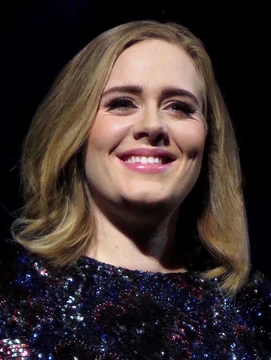
When We Were Young
A timeless anthem about nostalgia and the bittersweet passage of time.
"When We Were Young" stands as a defining ballad within Adele's celebrated discography, serving as an emotional centerpiece for her third studio album, 25. The track explores universal themes of nostalgia and the passage of time, capturing the bittersweet ache of looking back on youth while navigating adulthood. It resonates deeply with listeners who have experienced significant life changes or longed for simpler moments in their past. Released during a period of immense global acclaim for the artist, this song solidified her reputation as a master storyteller capable of turning personal reflection into shared cultural experience. Its placement within the album's narrative arc emphasizes a journey of returning home to one's roots and reconciling with who she used to be.
Quick Facts
- Artist
- Adele
- Album
- 25
- Released
- 22 January 2016
- Studio
- Dean Street (London)
- Genre
- Soul
- Length
- 4:50
- Writer
- Adele Adkins; Tobias Jesso Jr.
- Producer
- Ariel Rechtshaid
Facts from the source article.
Lore & Background
Within the context of Adele's musical journey, this song represents a pivotal moment of introspection. While her earlier work often focused on heartbreak, this track shifts focus to the broader concept of aging and memory. It functions as a bridge between the artist's public persona and the private emotions of her fanbase, creating a space where listeners can mourn their lost youth without bitterness. The song is often associated with the London setting that permeates much of Adele's visual identity during this era. It suggests a world where time moves differently in memory than in reality, allowing moments from decades past to feel immediate and tangible. This thematic depth ensures the track remains relevant as its audience grows older alongside it.
Reader's Guide
The narrative unfolds through a lens of gentle melancholy, inviting listeners to reflect on their own pasts without harsh judgment. Lyrically, the track balances gratitude for growth with a deep longing for simpler days, creating an emotional duality that resonates universally across audiences. Production-wise, the song begins with intimate piano work before swelling into a rich orchestral arrangement. This dynamic shift mirrors the rush of memory flooding back to the present moment, emphasizing the overwhelming power of nostalgia. The vocal delivery remains raw and restrained until the climax, showcasing technical control and emotional vulnerability simultaneously. Culturally, it has become an anthem for reflection during life transitions such as weddings or reunions. Its enduring presence in playlists and live performances cements its status as a modern classic within her discography, bridging generations through shared human experience regarding aging. The song avoids specific biographical details, allowing fans to project their own histories onto the melody. This artistic ambiguity is key to its longevity and emotional impact across different demographics worldwide, ensuring it remains relevant years after release.
Did You Know?
- The music video features a cast of women representing different ages in various London locations.
- It was co-written by Adele alongside musician Tobias Jesso Jr. during the album sessions.
- The track received widespread critical acclaim for its orchestral arrangement and vocal performance.
- Adele has performed this song live with varying arrangements over multiple concert tours.
More in Songs & Singles
Elsewhere in Adele
Spotted an error? Know more?
Reader corrections go straight into our review queue. Suggest an edit · How this site is sourced