Dosage form
Pharmaceutical drug products presented in specific forms for use.

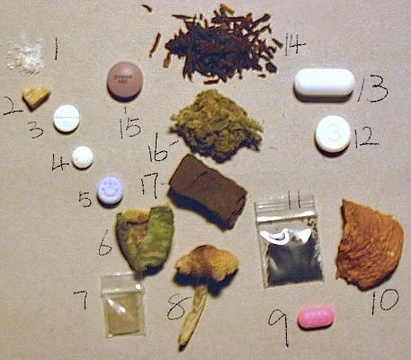
A dosage form is a pharmaceutical product prepared in a specific physical configuration for administration. It combines active drug ingredients with inactive substances called excipients, and the mixture is divided into individual doses. For instance, two amoxicillin products might both contain the same drug, but one could be a 500 mg capsule while the other is a 250 mg chewable tablet. The term "unit dose" can also describe single-use packaging, where each product is individually wrapped; however, the FDA distinguishes this as unit-dose "packaging" or "dispensing." Depending on context, "multiple unit dose" may refer either to several distinct drug products packaged together or to a single product that contains multiple drugs or doses.
The phrase "dosage form" sometimes refers only to the pharmaceutical formulation of a drug's ingredients, without considering the final consumable shape (like a capsule or patch). Because these terms overlap and can be ambiguous in the pharmaceutical industry, it is wise to be cautious when discussing them with others who might interpret the terminology differently.
Dosage forms vary by route of administration and include many liquid, solid, and semisolid types. Common examples are tablets, capsules, drinks, solutions, suspensions, and syrups. A combination drug, or fixed-dose combination (FDC), contains more than one active ingredient in a single product—such as a tablet, capsule, or syrup with multiple drugs. In naturopathy, dosages may also appear as decoctions and herbal teas, alongside conventional forms.
The route of administration (ROA) for a drug depends on its dosage form. Different forms may be available for the same drug, especially if certain conditions limit the ROA. For example, an unconscious patient or one with persistent nausea and vomiting cannot take oral medication, so alternatives like inhalational, buccal, sublingual, nasal, suppository, or parenteral routes are used. A specific dosage form may also be required due to chemical stability or pharmacokinetic issues. Insulin cannot be given orally because it is extensively metabolized in the gastrointestinal tract before reaching the bloodstream, so it never reaches its targets. Similarly, oral and intravenous doses of a drug like paracetamol differ for the same reason.
Oral dosage forms include pills (tablets or capsules), liquids such as syrups, solutions, elixirs, emulsions, and tinctures, as well as decoctions and herbal teas. Also included are orally disintegrating tablets, lozenges or candy (electuaries), thin films (like Listerine Pocketpaks or nitroglycerin) placed on or under the tongue or against the cheek, powders or effervescent powders/tablets often mixed into food, plants or seeds prepared as cannabis edibles, pastes such as high-fluoride toothpaste, and gases like oxygen (which can also be delivered through the nose).
Ophthalmic dosage forms include eye drops, lotions, ointments, and emulsions. Inhalation forms include aerosolized medication, dry-powder inhalers or metered dose inhalers, nebulizer-administered medication, smoking, and vaporizer-administered medication.
Talc is an excipient commonly used in pharmaceutical tablets. These tablets may be crushed into powder against medical advice or for recreational use. Illicit drugs that appear as white powder are often cut with cheap talc. Natural talc is inexpensive but contains asbestos, while asbestos-free talc costs more. Inhaled talc containing asbestos is generally accepted as able to cause lung cancer. The evidence about asbestos-free talc is less clear, according to the American Cancer Society.
Injection (parenteral) dosage forms include intradermal (ID), subcutaneous (SC), intramuscular (IM), intraosseous (IO), intraperitoneal (IP), intravenous (IV), and intracavernous (ICI) administration. These are usually solutions and suspensions.
Regarding unintended ingredients in injection: safe examples include eye drops (normal saline in disposable packages) distributed to syringe users by needle exchange programs. Unsafe examples include the injection of talc from crushed pills, which has been associated with pulmonary talcosis in intravenous drug users.
Topical dosage forms include creams, liniments, balms (such as lip balm or antiperspirants and deodorants), lotions, ointments, gels and hydrogels, ear drops, transdermal and dermal patches applied to the skin, and powders. It is not safe to calculate divided doses by cutting and weighing medical skin patches, because the substance may not be evenly distributed on the patch surface. For instance, fentanyl transdermal patches are designed to release the drug slowly over three days, and cut patches consumed orally have caused overdoses and deaths. Single blotting papers for illicit drugs, when injected from solvents in syringes, may also cause uneven distribution across the surface.
Other dosage forms include intravaginal administration (vaginal rings, capsules, tablets, suppositories), rectal administration (suppositories, suspensions and solutions as enemas, gels), urethral administration, and nasal sprays.
- field
- Pharmaceutical science
- known_for
- Providing specific forms for drug delivery, including tablets, capsules, liquids, and inhalers
- types
- Liquid, solid, semisolid; includes tablets, capsules, drinks, solutions, suspensions, syrups
- routes_of_administration
- Oral, ophthalmic, inhalation, injection, topical, rectal, vaginal, urethral, nasal
Lore & Background
Dosage forms, also referred to as unit doses, are pharmaceutical products presented in a specific physical configuration for administration. They consist of a mixture of active pharmaceutical ingredients and inactive components known as excipients, which are arranged in a particular way—such as within a capsule shell—and apportioned into a precise dose. For instance, two products may both contain the same active drug, amoxicillin, but one might be supplied as 500 mg capsules while another is a 250 mg chewable tablet. The term "unit dose" can also describe non-reusable packaging where each drug product is individually wrapped, though the FDA distinguishes this as unit-dose packaging or dispensing. Depending on context, "multiple unit dose" may refer to several distinct drug products packaged together or a single product containing multiple drugs or doses. The term "dosage form" sometimes refers only to the pharmaceutical formulation of a drug’s constituent substances, without considering its final consumable configuration (e.g., capsule or patch). Due to overlapping terminology in the pharmaceutical industry, caution is advised when discussing these terms. Dosage forms vary by route of administration and include liquids, solids, and semisolids. Common forms are tablets, capsules, drinks, solutions, suspensions, and syrups. A combination drug, or fixed-dose combination (FDC), contains more than one active ingredient in a single product, such as a tablet or syrup with multiple drugs. In naturopathy, dosages may also take the form of decoctions and herbal teas. The route of administration depends on the dosage form; for example, oral administration is unsuitable for unconscious patients or those with nausea, requiring alternatives like inhalational, buccal, sublingual, nasal, suppository, or parenteral routes. Chemical stability or pharmacokinetics may also dictate a specific form—insulin cannot be given orally due to gastrointestinal metabolism, and oral versus intravenous doses of drugs like paracetamol differ for the same reason. Oral forms include pills (tablets or capsules), liquids such as syrups, solutions, elixirs, emulsions, and tinctures, as well as decoctions, herbal teas, orally disintegrating tablets, lozenges, thin films placed on or under the tongue or against the cheek, powders or effervescent powders/tablets mixed into food, and pastes like high
Reader's Guide
The route of administration for drug delivery depends on the dosage form of the substance. Different dosage forms may be available for a particular drug, especially if certain conditions restrict the route. For example, if a patient is unconscious or experiencing persistent nausea and vomiting, oral administration may not be feasible, necessitating alternative routes such as inhalational, buccal, sublingual, nasal, suppository, or parenteral. A specific dosage form may also be required due to issues such as chemical stability or pharmacokinetic properties. For instance, insulin cannot be given orally because it is extensively metabolized in the gastrointestinal tract before reaching the bloodstream. The term dosage form may sometimes refer only to the pharmaceutical formulation of a drug product's constituent substances, without considering its final configuration as a consumable product. Due to the somewhat ambiguous nature and overlap of these terms within the pharmaceutical industry, caution is advisable when discussing them with others who may interpret the terminology differently.
Did You Know?
- The FDA differentiates unit-dose 'packaging' or 'dispensing' from the term dosage form.
- Inhaled talc that has asbestos is generally accepted as being able to cause lung cancer; evidence about asbestos-free talc is less clear.
- It is not safe to calculate divided doses by cutting and weighing medical skin patches because there is no guarantee the substance is evenly distributed on the patch surface.
More in Addictive Substances & Medications 1-24
Spotted an error? Know more?
This is a living reference — every entry is fact-audited, and reader corrections feed straight into our audit queue. Suggest an edit · See this site's audit record