Neurobiological effects of physical exercise
Aerobic exercise induces neuroplasticity, improves cognition, and may aid addiction treatment.
Physical exercise, particularly aerobic activity, produces neurobiological effects that influence brain structure, function, and cognition. These effects include improvements in cognitive control, memory, and mood, as well as potential benefits for preventing or treating certain neurological and psychiatric disorders. The neurobiological changes are mediated by mechanisms such as increased neurotrophic factor production and neuroplasticity.
Quick Facts
- Half-life of phenethylamine
- roughly 30 seconds
Facts from the source article.
Did You Know?
- Exercise-concurrent improvements in processing speed and accuracy have been observed during visual attention and working memory tasks.
- Regular aerobic exercise may be associated with a lower risk of developing neurodegenerative disorders such as Alzheimer's disease and Parkinson's disease.
Long-term effects
Consistent aerobic exercise over several months increases production of neurotrophic factors such as BDNF, IGF-1, and VEGF, which promote blood vessel formation, adult neurogenesis, and other forms of neuroplasticity. These changes lead to clinically significant improvements in executive functions and increased gray matter volume in nearly all brain regions, with the most marked increases in the prefrontal cortex, caudate nucleus, and hippocampus. Less significant increases occur in the anterior cingulate cortex, parietal cortex, cerebellum, and nucleus accumbens. Exercise-induced hippocampal neurogenesis is associated with measurable improvements in spatial memory. Higher physical fitness scores, as measured by VO2 max, correlate with better executive function, faster information processing speed, and greater gray matter volume in the hippocampus, caudate nucleus, and nucleus accumbens.
Effects on neurochemistry
Thirty minutes of moderate to high intensity physical exercise induces a large increase in urinary β-phenylacetic acid, the primary metabolite of phenethylamine, a trace amine with similar psychostimulant and euphoriant effects to amphetamine. One study found that average 24-hour urinary β-phenylacetic acid concentration increased by 77% relative to baseline after intense exercise. Phenethylamine is synthesized in catecholamine neurons at approximately the same rate as dopamine and has a half-life of roughly 30 seconds, suggesting it is rapidly metabolized during exercise.
It is thought to play a prominent role in the mood-enhancing euphoric effects of a runner's high. Exercise also significantly increases secretion of β-endorphin, an endogenous opioid that produces euphoria and pain relief, with moderate intensity producing the greatest increase. However, pharmacological blockade of endogenous endorphins does not inhibit a runner's high, while blockade of endocannabinoids may have such an effect.
Effects in children
Regular physical activity supports mental health, academic performance, and cognitive abilities in young people, while also lowering their risks for obesity and cardiovascular disease. A 2003 analysis of multiple studies showed that exercise improves perceptual skills, IQ, academic achievement, verbal and math test scores, and school readiness, with the strongest benefits seen in children aged 4 to 7 and 11 to 13. A later review from 2010 found that aerobic exercise can temporarily boost executive function in children and may also lead to longer-term improvements.
In one study, sixth-graders who did vigorous activity at least three times a week scored an average of three points higher on tests in math, science, English, and world studies than peers who did moderate or no activity. Neuroimaging research suggests exercise can alter brain structure and function. Low aerobic fitness in childhood has been linked to poorer executive function in adulthood, though difficulties with attention, response inhibition, and interference control may also play a role.
Effects on central nervous system disorders{{anchor|Effects on neural disorders}
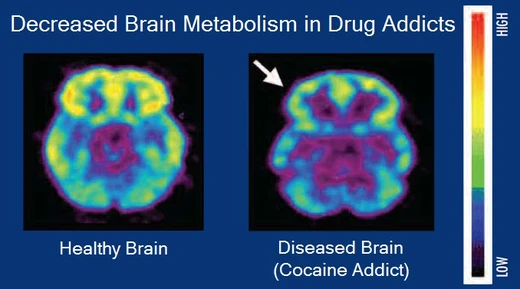
Consistent aerobic exercise, especially endurance exercise, may prevent the development of certain drug addictions and serve as an effective adjunct treatment, particularly for psychostimulant addiction. It appears to reduce addiction risk by reversing drug-induced neuroplasticity, decreasing psychostimulant self-administration, reducing relapse of drug-seeking, and increasing striatal dopamine receptor D2 density, opposite to the effects of pathological stimulant use.
Exercise also has marked and persistent antidepressant effects, believed to be mediated through enhanced BDNF signaling. Systematic reviews indicate that physical exercise is more effective than control interventions for depression and comparable to psychological or antidepressant drug therapies. It is effective as an adjunct treatment with antidepressant medication and may improve overall quality of life in individuals with depression. Some evidence supports yoga as effective for alleviating symptoms of prenatal depression.
More in Addiction
Spotted an error? Know more?
Reader corrections go straight into our review queue. Suggest an edit · How this site is sourced