Behavioral addiction
Compulsive engagement in rewarding behaviors despite harm.
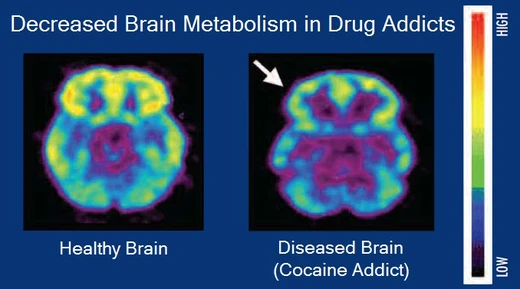
Behavioral addiction, also known as process addiction or non-substance-related disorder, involves a compulsion to engage in a rewarding behavior despite negative consequences to physical, mental, social, or financial well-being. It is notable because the brain's reward system shows that the gene transcription factor ΔFosB is a necessary common factor in both behavioral and drug addictions, and modern brain scans indicate that chemical and experience rewards produce virtually identical reactions in the brain.
Did You Know?
- Cognitive behavioral therapy is the most common form of psychotherapy for behavioral addictions, with sessions typically ranging from five to twenty.
- No medications are currently approved for treatment of behavioral addictions in general, though some drugs used for substance addiction may benefit specific behavioral addictions.
- A 2017 narrative review found solid evidence for associations between behavioral addictions and mood disorders, anxiety disorders, and substance use disorders.
Psychiatric and medical classifications
The Diagnostic and Statistical Manual of Mental Disorders (DSM) first recognized behavioral addictions in the DSM-5 with gambling disorder, formerly called pathological gambling, as the only non-substance-related disorder under "Substance-Related and Addictive Disorders". Internet gaming addiction was placed in the appendix for further study. The DSM-5 recommended the term disorder over addiction in clinical settings to avoid uncertain definitions and negative connotations.
Proposed revisions had included removing binge eating disorder from the DSM-IV appendix and creating a diagnosis in eating disorders, as well as adding hypersexual disorder to the sexual disorder section. The ICD-11 introduced the category "Disorders due to substance use or addictive behaviours", with a sub-category "Disorders due to addictive behaviours" including gambling disorder, gaming disorder, and two residual categories. The American Society of Addiction Medicine defines addiction as a treatable chronic medical disease involving complex interactions among brain circuits, genetics, environment, and life experiences, encompassing both substance use and compulsive behaviors.
Other behaviors with insufficient evidence include pornography use disorder, compulsive buying disorder, social network use disorder, work addiction, exercise addiction, compulsive sexual behavior disorder, and food addiction.
Types
Exercise addiction is a compulsive engagement in physical exercise despite negative consequences, such as detriment to physical health, personal and professional life, and exercising regardless of injury. It may involve withdrawal symptoms when unable to exercise and shows high comorbidity with eating disorders. It is not listed in the DSM-IV. Problem gambling, or ludopathy, is repetitive gambling despite harm and negative consequences. It may be diagnosed as a mental disorder per DSM-5 criteria. Pathological gambling was previously considered an impulse-control disorder, but data suggest a closer relationship with substance use disorders than with obsessive-compulsive disorder, as both problem gambling and primary substance use disorders seek to activate the brain's reward mechanisms. Problem gambling has a high comorbidity with alcohol problems.
Behavioral addiction and the brain
A 2024 meta-analysis of neuroimaging studies found that subjects with various behavioral addictions share similarities in frontostriatal circuits, including hyperactivation in the bilateral caudate nucleus, right inferior frontal gyrus, and left middle frontal gyrus. Another 2024 meta-analysis identified cortical thinning in the precuneus, postcentral gyrus, orbital-frontal cortex, and dorsolateral prefrontal cortex, with an association to genes involved in dopamine metabolism, particularly the dopamine D2 receptor. Increased severity of behavioral addiction was linked to greater thinning in the precuneus and postcentral gyrus. A 2023 meta-analysis found loss of gray matter volume in the anterior cingulate cortex, middle cingulate cortex, and superior frontal gyrus, associated with decreased brain connectivity and possibly with behavioral aspects such as inhibition.
Addiction and the reward system
ΔFosB overexpression in the nucleus accumbens is necessary and sufficient for many neural adaptations in drug addiction and is implicated in addictions to alcohol, cannabinoids, cocaine, nicotine, phenylcyclidine, substituted amphetamines, and natural rewards such as sex, exercise, and food. A study demonstrated cross-sensitization between amphetamine and sex mediated by ΔFosB. Dopaminergic projections from the ventral tegmental area to the amygdala facilitate motivational or learned associations to specific behaviors.
Dopamine neurons play a role in learning and sustaining acquired behaviors. The dopamine reward system involves three stages: bursts of dopamine, triggering of behavior, and further impact on the behavior. Dopamine neurons emit burst-fire to stimulate fast-transmitting pathways, and the behavior response perpetuates striated neuron stimulation. Extracellular dopamine concentrations can be monitored via microdialysis and brain imaging.
Behaviors like gambling are linked to the brain's capacity to anticipate rewards, with reward-prediction errors acting as teaching signals for complex behavior.
More in Addiction
Spotted an error? Know more?
Reader corrections go straight into our review queue. Suggest an edit · How this site is sourced