Periyar
Architect of Dravidian politics and champion of rationalism and social justice.
Last updated

via Wikipedia: Periyar · see source
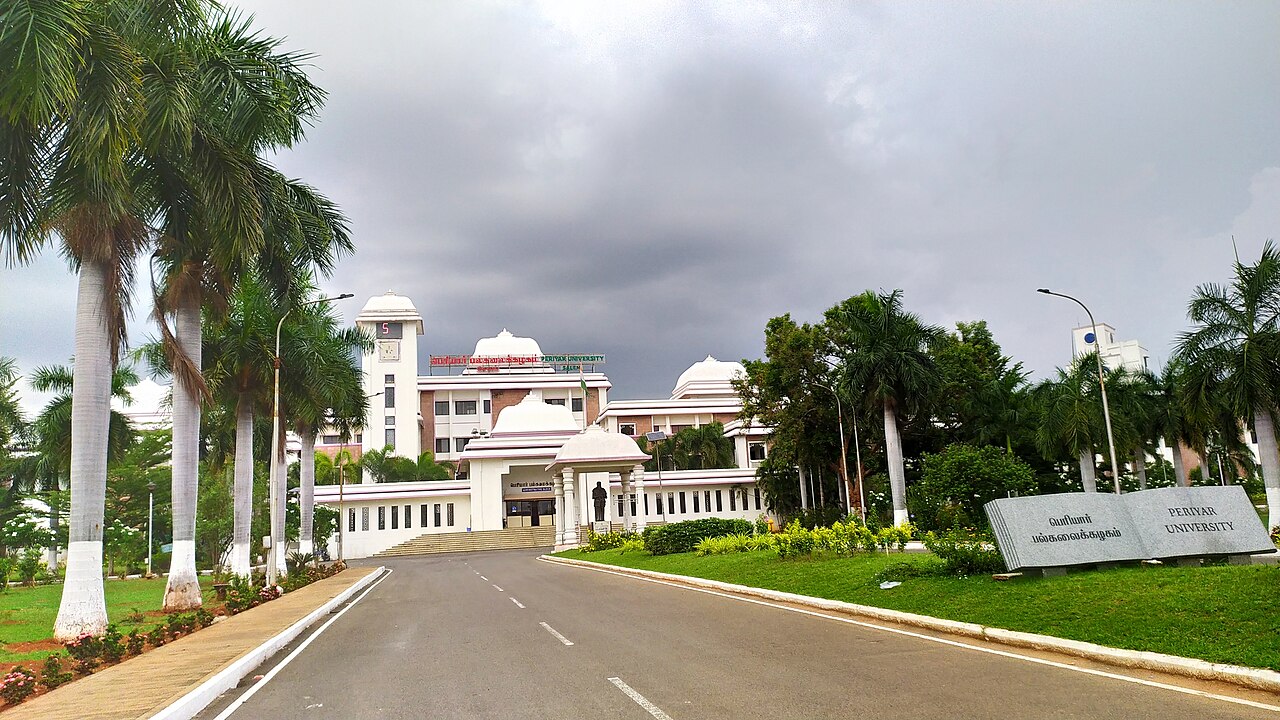
Erode Venkatappa Ramasamy, better known as Periyar, was born on 17 September 1879 and died on 24 December 1973. He was an Indian social activist and politician who founded the Self-Respect Movement and the Dravidar Kazhagam. Many consider him the key figure behind Dravidian politics and a major force in India’s left-wing political landscape. Periyar first joined the Indian National Congress in 1919.
International travel (1929–1932)
He took part in the Vaikom Satyagraha and was jailed twice during that campaign. He left the Congress in 1925. Between 1929 and 1932, he travelled through British Malaya, Europe, and the Soviet Union, experiences that later shaped his Self-Respect Movement’s push for caste equality. In 1939, he became head of the Justice Party, which he turned into a social organisation called the Dravidar Kazhagam in 1944.
That group later split, and in 1949 one faction led by C. N. Annadurai formed the Dravida Munnetra Kazhagam (DMK). Even while continuing the Self-Respect Movement, Periyar called for an independent Dravida Nadu, a homeland for Dravidian peoples. He championed rationalism, self-respect, women’s rights, and the abolition of caste.
Early years
He fought against the exploitation and marginalisation of non-Brahmin Dravidians in South India and opposed what he saw as the dominance of Indo-Aryan India. Since 2021, the state of Tamil Nadu has marked his birthday as Social Justice Day. Periyar was born Erode Venkata Ramasamy on 17 September 1879 in Erode, then part of the Coimbatore district in the Madras Presidency. His family were Kannada-speaking Balija merchants.
His father was Venkatappa Nayakar (or Venkata), and his mother was Chinnathyee Muthammal. He had an older brother, Krishnaswamy, and two sisters, Kannamma and Ponnuthoy. Later he became known as “Periyar,” which in Tamil means “respected one” or “elder.” He married at age 19, and his only child, a daughter, lived just five months. His first wife, Nagammai, died in 1933.
He remarried in July 1948, and his second wife, Maniammai, carried on his social work after his death in 1973; the Dravidar Kazhagam continued to advocate his ideas. In 1929, at the First Provincial Self-Respect Conference in Chengalpattu, Periyar announced he was dropping his caste title, Naicker, from his name. He spoke three Dravidian languages: Kannada, Telugu, and Tamil.
He attended school for five years and then, at age 12, joined his father’s trade. As a child, he listened to Tamil Vaishnavite gurus who gave discourses at his home, hosted by his father. Young Periyar began questioning contradictions he saw in Hindu mythological stories. Over time, he concluded that people used religion as a mask to deceive the innocent, and he made it his duty to warn others against superstition and priests.
Kashi pilgrimage Incident
In 1904, Periyar travelled to Kashi to visit the Shiva temple of Kashi Vishwanath, one of Hinduism’s holiest sites. There he witnessed what he considered immoral activities—begging and floating dead bodies. His frustration with mainstream Hinduism grew when he encountered what he called “Brahmanic exploitation.” One particular event at Kashi deeply affected his thinking. Free meals were offered to guests at the worship site, but Periyar was shocked to be refused food at choultries that served only Brahmins.
Driven by extreme hunger, he tried to enter one eatery disguised as a Brahmin, wearing a sacred thread on his bare chest. The gatekeeper, however, spotted his moustache—Brahmins, according to Hindu shastras, were not allowed to have them—and pushed him out into the street. With hunger unbearable, Periyar ate leftovers from the street. He later learned that the eatery that had turned him away was built by a wealthy non-Brahmin from South India.
Member of Congress (1919–1925)
This discriminatory treatment shattered his regard for Hinduism, as the reality of Kashi clashed with his image of a holy place welcoming all. Until this trip, Periyar had been a theist; afterward, he became an atheist. Periyar joined the Indian National Congress in 1919, after quitting his business and resigning from public posts. He served as chairman of the Erode Municipality and threw himself into constructive work: promoting khadi, picketing toddy shops, boycotting foreign cloth, and fighting untouchability.
In 1921, he was imprisoned for picketing toddy shops in Erode. When his wife and sister joined the agitation, the movement gained force, and the administration compromised. He was arrested again during the Non-Cooperation movement and the Temperance movement.
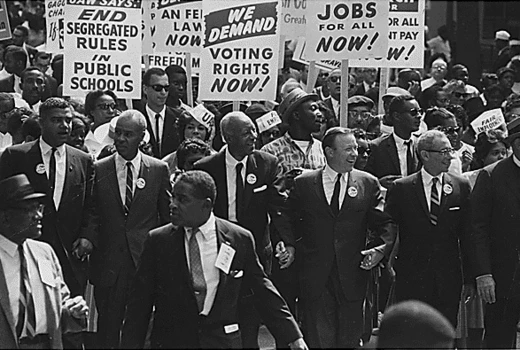
In 1922, Periyar was elected president of the Madras Presidency Congress Committee at the Tirupur session, where he strongly pushed for reservations in government jobs and education. His efforts were defeated within the Congress due to discrimination and indifference, leading him to leave the party in 1925. The Vaikom Satyagraha was a nonviolent campaign led by the Congress Party to gain access for all people to the public areas around the Vaikom Temple in the Kingdom of Travancore. Travancore had a rigid and oppressive caste system—Swami Vivekananda once called it a “lunatic asylum.” In the small town of Vaikom, strict untouchability laws barred Dalits and others from the temple area.
Lore & Background
Periyar was born to a Kannada speaking Balija merchant family in Erode. He attended school for five years and could speak three Dravidian languages: Kannada, Telugu and Tamil. He joined the Indian National Congress in 1919 and participated in the Vaikom Satyagraha, during which he was imprisoned twice. He resigned from the Congress in 1925.
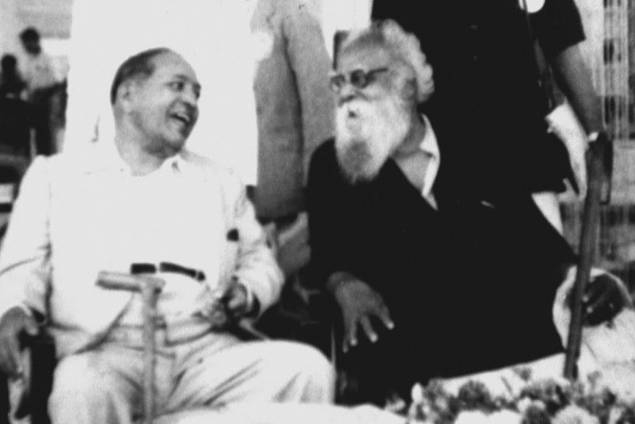
From 1929 to 1932, he toured British Malaya, Europe and the Soviet Union. In 1939, he became the head of the Justice Party, which he transformed into Dravidar Kazhagam in 1944. The party later split, with one group led by C. N. Annadurai forming the Dravida Munnetra Kazhagam (DMK) in 1949. He advocated for an independent Dravida Nadu.
The Kashi Pilgrimage: A Worldview Shattered
What he found there dismantled the reverence he had carried with him. He witnessed begging and corpses floating in the waters, experiences he later described as evidence of Brahmanic exploitation. But the incident that most deeply scarred him was a matter of hunger and caste.
Free meals were being served to worshippers, yet he was turned away from the choultries because they were reserved exclusively for Brahmins. Driven by starvation, he attempted to slip into one such eatery wearing a sacred thread on his bare chest to pass as a Brahmin. His moustache gave him away; the gatekeeper, citing shastras that forbade Brahmins from growing facial hair, shoved him back into the street. He ultimately survived on scraps.
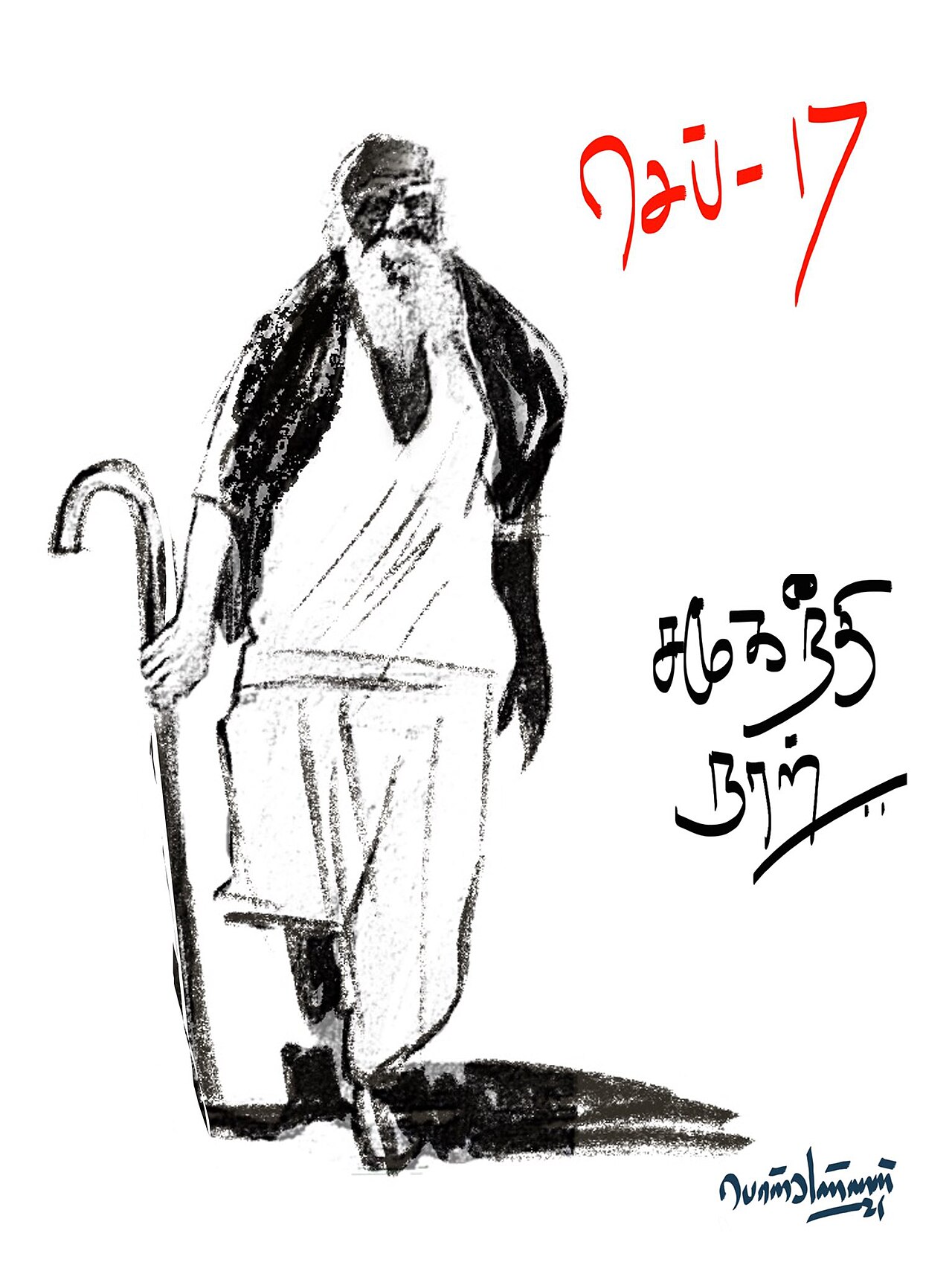
What compounded the humiliation was his realization that the very establishment rejecting him had been funded by a wealthy South Indian non-Brahmin. Before Kashi, Ramasamy had been a theist. After it, he became an atheist, and the experience became the emotional bedrock upon which he would later build his entire campaign against caste hierarchy and religious orthodoxy.
Roots in Erode: A Merchant's Son Who Questioned Everything
His family belonged to the Kannada-speaking Balija merchant community; his father Venkatappa Nayakar ran a trading business, and his mother was Chinnathyee Muthammal. He had one elder brother, Krishnaswamy, and two sisters, Kannamma and Ponnuthoy. After five years of schooling, he joined his father's trade at twelve.
The household frequently hosted Tamil Vaishnavite gurus delivering discourses, and young Ramasamy would sit and listen. Yet even then he began spotting contradictions in Hindu mythological narratives. As he matured, he grew convinced that religion functioned as a disguise through which priests deceived ordinary people, and he resolved to warn the public against superstition.
A Legacy Written into the Calendar
Ramasamy, known to the world as Periyar—a Tamil word meaning respected one or elder—wove together rationalism, self-respect, women's rights, and the complete abolition of caste into a single political and philosophical program. He directed his sharpest critique at what he saw as the exploitation and marginalization of non-Brahmin Dravidian communities in South India and at the cultural dominance he characterized as an imposed Indo-Aryan order. His influence extended well beyond his own organization. He is widely regarded as the architect of Dravidian politics and a leading figure in India's left-wing tradition.
Frequently Asked Questions
What is the Self-Respect Movement and how does it connect to Periyar?
The Self-Respect Movement was a social reform campaign organized by Periyar to challenge caste hierarchies and promote dignity for marginalized communities. It became one of his most significant contributions to Indian social history.
What political party did Periyar establish?
Periyar founded the Dravidar Kazhagam, a political organization rooted in Dravidian identity and social reform. Through this party, he channeled his vision of rationalism and anti-caste politics into the electoral arena.
What core ideas did Periyar champion throughout his activism?
His advocacy centered on caste equality, rationalist thinking, and the rejection of orthodox religious authority. He pushed for a society where social standing was determined by merit rather than birth.
Also in the Codexery
More in Activists & Reformers
Sources
Compiled from Wikipedia and the sources listed below. Text from Wikipedia is available under CC BY-SA 4.0; this entry is adapted from it.
- Wikipedia: Periyar (CC BY-SA 4.0).
Spotted an error? Know more?
Reader corrections go straight into our review queue. Suggest an edit · How this site is sourced